Ankara, the vibrant and captivating fabric synonymous with African fashion, has a rich history spanning centuries. Let’s delve into the captivating journey of Ankara and discover its origins, evolution, and enduring significance.
Ankara, or African wax print fabric or Dutch wax print, is a colourful and patterned textile originating in Indonesia. In the 19th century, Dutch merchants introduced batik fabrics to West Africa as part of their trade routes. However, the local market preferred brighter colours and bolder designs, prompting Dutch manufacturers to adapt their patterns accordingly. This adaptation marked the birth of the distinctive Ankara fabric we know today.
In the mid-20th century, Ankara experienced a significant resurgence and gained even more tremendous popularity. As African countries gained, independence and cultural pride soared, Ankara became a symbol of African nationalism and a rejection of Western influence. Its vibrant patterns and colours represented a celebration of African heritage, unity, and resilience.
Today, Ankara fabric continues to evolve, with contemporary designs blending traditional patterns with modern influences. It has become a medium for self-expression as designers and individuals experiment with innovative styles and combinations. From clothing to accessories, Ankara has become a staple in fashion, representing the African continent’s beauty, diversity, and creativity.
Ankara is not just a fabric; it’s a symbol of history, culture, and self-expression. Its origins in Indonesia, adaptation in West Africa, and global popularity reflect the intertwining narratives of diverse cultures. Ankara’s journey reminds us that art can transcend borders and create connections, celebrating the beauty and diversity of our shared human experience.
Ankara fabrics are known for their bright, bold colors and intricate patterns, and these elements are often imbued with cultural and symbolic significance. Here are some examples of the symbolism of Ankara fabrics:
The colours used in Ankara fabrics often have cultural and symbolic significance. For example, green can represent growth, prosperity, and the earth, while blue can represent the sky and the heavens. Red is often associated with passion, love, and energy, while yellow represents joy, happiness, and hope.
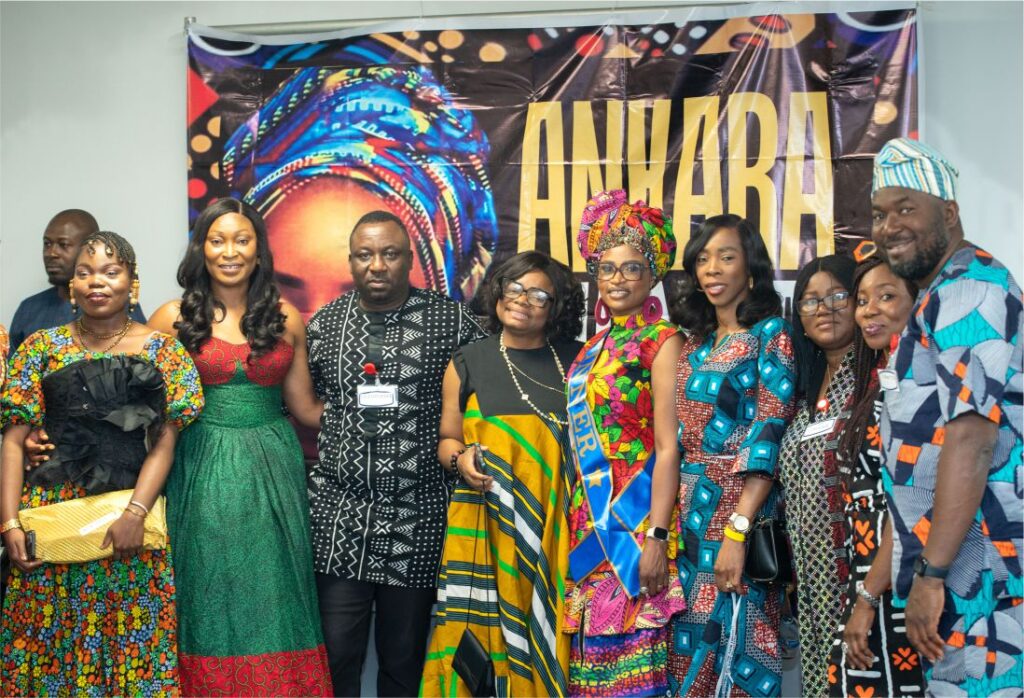
The patterns used in Ankara fabrics also have symbolic significance. For example, a geometric pattern may represent unity, while a floral pattern may represent femininity and beauty. Some patterns are specific to certain cultures or regions and may have historical or cultural significance.
Ankara fabrics are often used to express cultural identity and pride. They are worn to weddings, funerals, and other important cultural events as a way to show connection to one’s cultural heritage.
The quality and design of Ankara fabrics can also be a status symbol. Some fabrics are more expensive and exclusive than others, and wearing them can signify wealth, prestige, and social status.


The Ankara “n” Vogue Carnival aims to promote multicultural values, respect for diversity, recognition & rejection of racism, intercultural connection & integration in Saskatchewan.
© 2024 Official Website Ankara “n”Vogue Carnival